

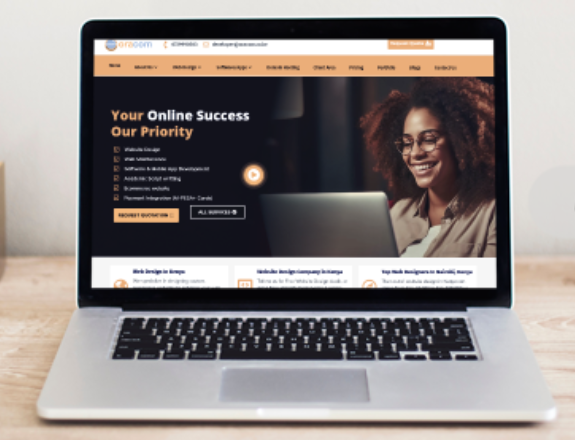
In today’s digital-first economy, a website is more than just an online presence — it is the heartbeat of a brand, the first impression for potential customers, and the ultimate platform for building trust. Yet, one critical factor is often overlooked by businesses when building their websites: accessibility. The ability for everyone — including people with disabilities, diverse devices, and varying internet conditions — to use a website without barriers is no longer optional; it’s essential. This is why accessible web design in Kenya has become a transformative conversation, and why companies like Oracom Web Solutions are pioneering inclusivity and excellence in the digital landscape.
For businesses that want to thrive in Kenya’s competitive online market, prioritizing accessibility is not just an ethical move, but also a strategic advantage. It ensures inclusivity, enhances user experience, improves SEO rankings, and ultimately drives more conversions. In this comprehensive blog, we’ll explore why accessible web design matters, the current state of Kenya’s web design market, how Oracom is leading the charge, and why businesses should adopt accessibility-first practices in 2025 and beyond.
Accessible web design refers to creating websites that can be used by all people, regardless of their physical, cognitive, or technological limitations. This includes individuals with visual impairments, hearing difficulties, mobility issues, or even those accessing websites on low bandwidth connections or older devices.
When a site is designed with accessibility in mind, it ensures features such as:
In short, accessible web design in Kenya ensures inclusivity for the nation’s diverse online population. With internet penetration exceeding 43 million users, businesses that ignore accessibility risk alienating a significant portion of potential customers.
The Kenyan digital economy has experienced explosive growth in the last decade, driven by smartphone adoption, affordable data bundles, and the rise of mobile money solutions like M-Pesa. As businesses increasingly move online, the demand for web design services has surged.
By focusing on accessible web design in Kenya, businesses can distinguish themselves in a crowded market while complying with global best practices.
Many businesses mistakenly think accessibility is only about serving people with disabilities. In reality, its benefits extend much further. Here’s why Kenyan businesses should embrace accessibility-first design:
Oracom Web Solutions has positioned itself as a leader in accessible web design, transforming how businesses in Kenya go online. With years of expertise in web design, development, domain and hosting services, SEO, and digital transformation, Oracom integrates accessibility into every project.
What sets Oracom apart is its belief that accessibility is not an afterthought — it is built into the DNA of every website from the start.
Learn more about Oracom’s Web Design Services →
The digital transformation in Kenya is rapidly accelerating. From e-commerce platforms to government services, almost everything is moving online. Without accessibility, a large portion of the population risks being left behind.
Oracom envisions a future where accessible web design in Kenya is the standard, not the exception. This future is built on inclusivity, innovation, and global competitiveness. Businesses that adopt accessibility today will not only serve their customers better but also future-proof their digital assets.
Businesses looking to embrace accessibility can start by working with expert agencies like Oracom. However, here are some immediate steps to take:


